
By Dr. Victor Obua
Editor’s Note: Young people going through puberty or adjusting to becoming adults have a lot of questions. In this article, Dr. Obua answers some of these questions, providing clarity to readers so that they can navigate challenging and confusing scenarios.
My body is changing in ways I don’t understand. Is it normal to feel this way?
Between ages 10 and 19, your body is like a construction site. You’re growing hair in new places, your skin might get oily, causing pimples, and your emotions might feel out of control, causing you to have feelings that did not exist before. This is just puberty.
It’s your body’s way of getting ready for adulthood. Everyone goes through it at a different pace; some start early, others later, and both are perfectly okay. It is also a period where these new changes may result in the desire to explore and try new things, some of which may not be helpful and may hurt your overall health.
This is why it is essential to obtain information from reliable sources about this phase of life and how to navigate this transition successfully.
Can I get pregnant the very first time I have sex?
Yes, you definitely can. There is a common myth that the first time is a free pass, but that’s not true. If a girl is ovulating (when the body releases an egg), she can get pregnant from just one encounter. If you aren’t ready for a baby, the best way to stay safe is to wait or, at the very least, use protection every single time.
Do condoms really work, and where can I get them without being judged?
When used correctly, condoms are excellent at preventing both pregnancy and most STIs (infections you get through sex). In Lagos, you can get them for free or at a very low cost at any Adolescent and Youth Friendly Center. The staff there are trained to be non-judgmental, and they are there to help you stay healthy, not to lecture you.
I missed my period. Does it always mean I’m pregnant?
Not always, but it is a sign to pay attention to. A period is just the lining of the womb shedding because there was no baby. Lots of things can disrupt this:
- Stress: Like exams or family issues.
- Health: If you’ve lost weight quickly or have been very ill
- Menarche or starting to menstruate for the first time: In the first two years of having periods, your body is still learning the rhythm, so it might skip a month.
If you’ve had sex, a pregnancy test is the only way to be sure. If it’s negative and your period still doesn’t come for three months, come see us so we can check your hormone levels. You can do this privately at a youth-friendly clinic where the results are kept confidential (between you and the health provider).
What are the signs that I might have caught an infection (STI)?
Some infections don’t show any signs at all! But common things to look out for are:
- Itching, prickly, or pepperish pain when you urinate.
- Strange discharge (fluid) from your private parts that smells bad or looks a different color (like yellow or green).
- Pain in your belly, especially the lower part
- Sores or bumps around your genital area.
If you notice any of these, don’t try to treat it yourself with concoctions or random chemist drugs because it can make the infection more serious and more difficult to treat. Come to the clinic for a proper test and proper treatment. You should also know that your partner may have to be treated too to prevent being infected again.
I feel sad or anxious all the time. Is this a normal part of growing up?
Life itself can be stressful. School, family, and social media add a lot of pressure. While everyone feels down sometimes, if you feel sad, hopeless, or anxious for weeks at a time, it might be more than just a phase. Mental health is just as important as physical health. Talking to a counsellor at a youth center can help you find ways to feel like yourself again. Additionally, talking to a counsellor can help you find positive ways to cope with the pressure you may be facing. In these situations, it’s important that you know that you are not alone, and there are people you can talk to about these concerns.
My friends are trying ‘vaping’ or ‘shisha.’ Is it safer than cigarettes?
The short answer is “No.” Shisha and vapes often contain nicotine and other chemicals that are very addictive and can damage your lungs, which are still developing. They might smell like fruit, but they can cause long-term health issues. It’s much better for your future self to skip them entirely.
Is it normal to be attracted to people of the same sex?
During your teenage years, it’s very common to have questions about who you are attracted to. Your identity and feelings are personal. If you’re feeling confused or pressured, our youth-friendly centers offer a safe space to discuss these feelings without fear of being shamed or exposed.
Does ‘withdrawal’ (pulling out) actually prevent pregnancy?
This is a very risky method. Even before a guy finishes, a fluid called pre-cum can come out, and it can contain enough sperm to cause pregnancy. It also offers zero protection against infections like HIV. Relying on pulling out is like driving a car with no brakes; it’s very likely to end in an accident you didn’t want. It does not matter how good your pull-out game is; unprotected sex always carries the risk of pregnancy and STIs. However, you can obtain condoms at the AYFH clinic to prevent this.
How can I tell a partner ‘No’ without losing the relationship?
A healthy relationship is built on respect. If someone truly cares about you, they will respect your boundaries. You have the right to say No or Not yet at any time, even if you’ve said yes before. If someone pressures you or makes you feel guilty for saying no, that is a red flag. You deserve to be with someone who values your comfort as much as their own.
About the Author
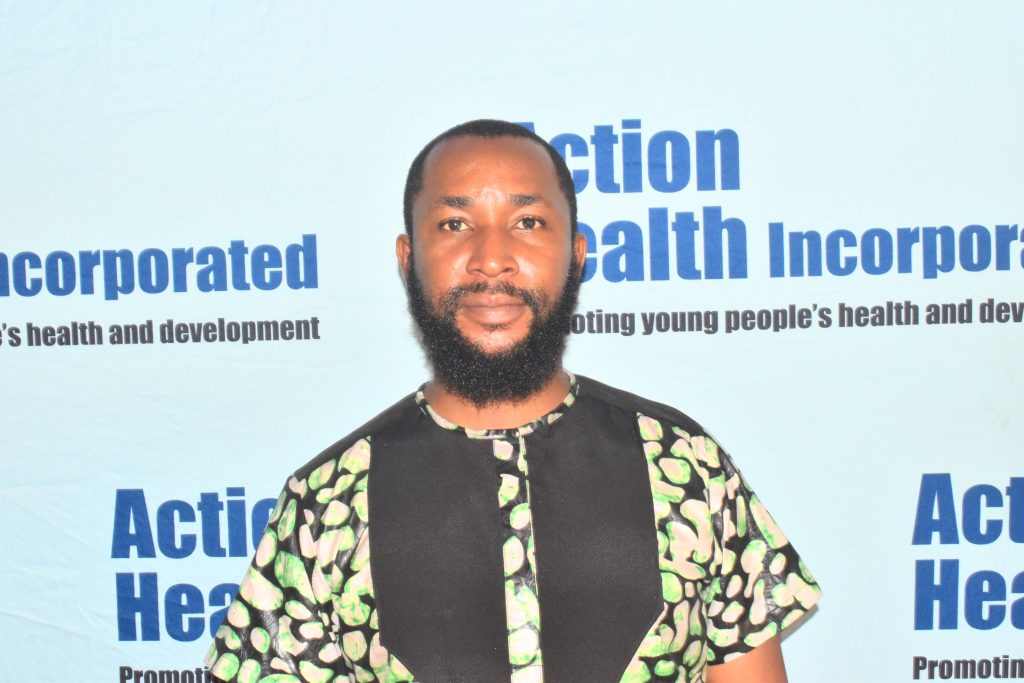
Dr. Victor Obua is a public health physician with over a decade of experience implementing high-impact health interventions across Nigeria’s complex health landscape. He is currently a Senior Specialist Registrar at the Lagos University Teaching Hospital, where he bridges the gap between academic research, service delivery optimization, and Health Systems Strengthening.
He has worked in several capacities with FHI360 and AHNI on key USAID and PEPFAR-funded programs such as the SIDHAS and EPiC KPIF projects. He is recognized for his expertise in HIV/AIDS care cascade, SRH, and institutionalizing quality improvement frameworks that measurably optimized viral load suppression and patient retention rates at the state level.
He holds an MPH from the University of Lagos and is a graduate of the University of Port Harcourt. His core competencies lie at the intersection of SRH, epidemic preparedness and control of infectious diseases, and health systems strengthening.
Leave a Reply
You must be logged in to post a comment.