Money is a part of everyday student life.
From transport and food to data, school materials, subscriptions, hangouts, and those random “I deserve this” purchases, there is always something competing for your money.
But while students are often taught how to pass exams and prepare for careers, one important skill is sometimes left out: how to manage money.
That is where financial literacy comes in.
Financial literacy means understanding how money works and knowing how to make smart decisions about earning, spending, saving, and managing it. And contrary to popular belief, you do not need to be rich before you start learning about money.
In fact, student life is one of the best times to start.
Know Where Your Money Goes
Have you ever received money and, somehow, a few days later, you cannot explain where most of it went?
You are not alone.
Small expenses can add up quickly. A snack here, transport there, data subscription, food delivery, and a few impulse purchases can quietly take a large portion of your money.
One simple financial habit can make a difference: track your spending.
You don’t need a complicated spreadsheet. Simply knowing what comes in and what goes out can help you identify where your money is going and where you may need to cut back.
Learn the Difference Between Needs and Wants
Not everything you want is something you need.
Food, transportation, school materials, and other basic necessities are needs. A new pair of sneakers when you already have several, the latest phone upgrade, or an unplanned shopping spree may be wants.
Wants are not bad. You should be able to enjoy your money too.
The important thing is knowing the difference and making sure your wants do not constantly take money away from your needs.
Before buying something, try asking:
“Do I need this, or do I just want it right now?”
Sometimes, that five-second pause can save you money.
Build Good Money Habits Early
Your student years are a great time to develop financial habits.
You can start by saving a small portion of your allowance, income, gifts, or earnings whenever possible. The amount may not seem impressive, but the habit matters.
You are learning to plan ahead instead of spending everything as soon as you receive it.
The same applies to budgeting, comparing prices, and thinking before making purchases.
Small habits today can become valuable habits tomorrow.
Prepare for Life After School
Graduation brings new responsibilities.
You may eventually have to manage rent, transportation, bills, food, subscriptions, loans, savings, and other expenses on your own.
Earning money is important, but knowing how to manage what you earn is just as important.
Learning the basics of budgeting, saving, debt, interest, and investing while you are still a student gives you a head start.
You may not have a full-time salary yet, but you can start preparing for the financial decisions that come with adulthood.
Protect Yourself from Financial Traps
The internet is full of opportunities to make money, but not every opportunity is genuine.
Students and young people can easily come across scams, fake investment opportunities, questionable loans, and “get-rich-quick” promises.
Financial literacy teaches you to pause and ask questions before handing over your money.
What are the terms? Are there hidden fees? What are the risks? Can I afford to lose this money?
Being financially literate does not mean you will never make a financial mistake. It simply helps you make more informed decisions.
You Don’t Need to Be Rich to Start
Financial literacy is not only for people earning big salaries.
Whether you receive ₦5,000, ₦20,000, or ₦100,000, the basic principle remains the same:
Know what comes in. Know what goes out. Prioritise what matters. Save when you can. Think before you spend.
The goal is not to have a lot of money before learning how to manage it.
Learn to manage what you have.
So, Where Do You Start?
You can begin with a few simple habits:
- Track your spending.
- Create a simple budget.
- Separate needs from wants.
- Set a realistic savings goal.
- Think before making impulse purchases.
- Compare prices before buying.
- Learn basic financial terms.
- Ask questions when you don’t understand something about money.
You don’t have to become a financial expert overnight.
Start small and stay consistent.
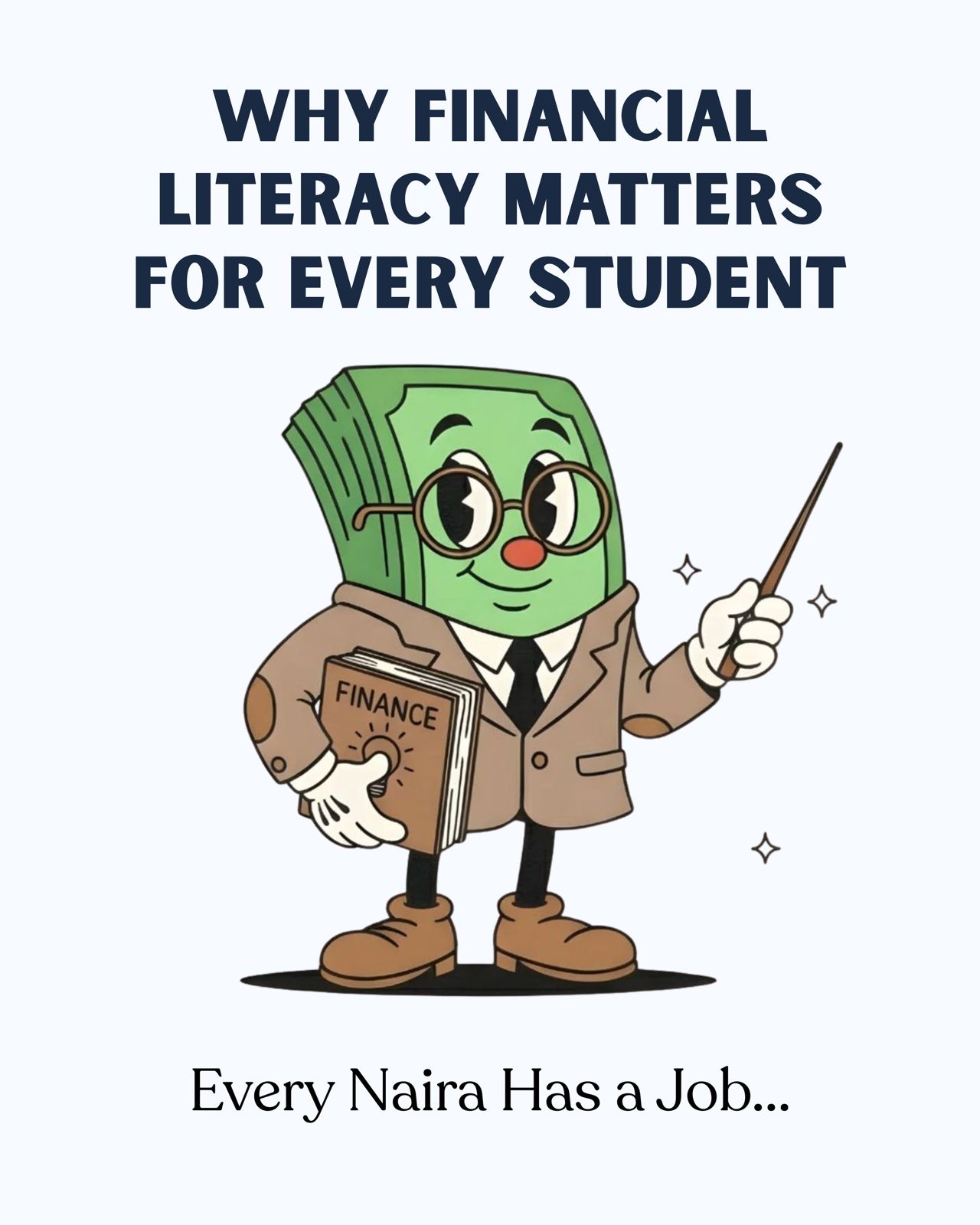
Every Naira Has a Job
Financial literacy is ultimately about being intentional with your money.
As a student, you may not always control how much money you receive. But you can learn to make better decisions with what you have.
Some money takes care of your needs.
Some can be saved for tomorrow.
Some can be used to enjoy the things you love.
The goal is to know which money is doing what.
You don’t have to wait until you graduate, get a job, or start earning a big salary before you learn how to manage money. Your money may be small today, but the habits you build with it can shape your financial future.
Article by Maryam Orahachi Bello
Leave a Reply
You must be logged in to post a comment.