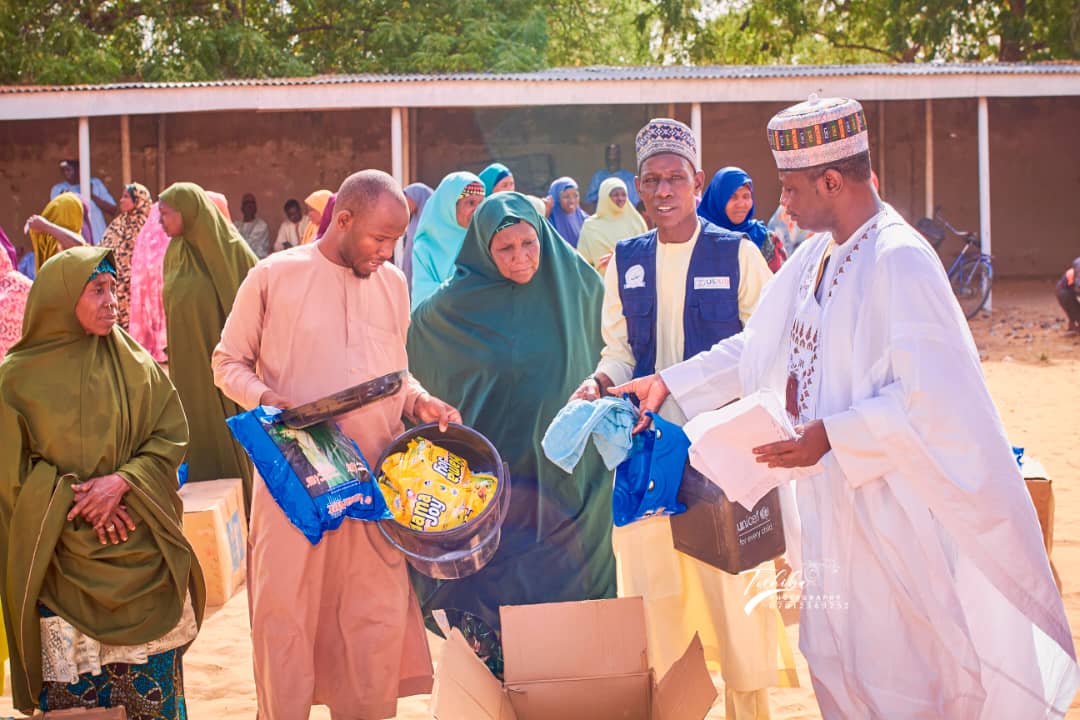
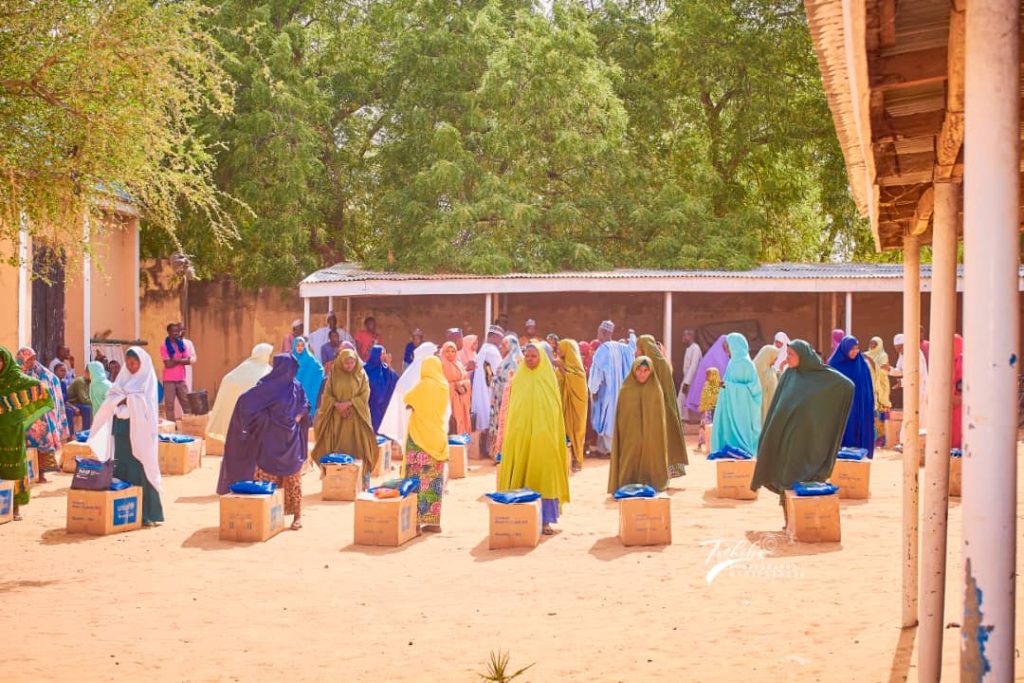
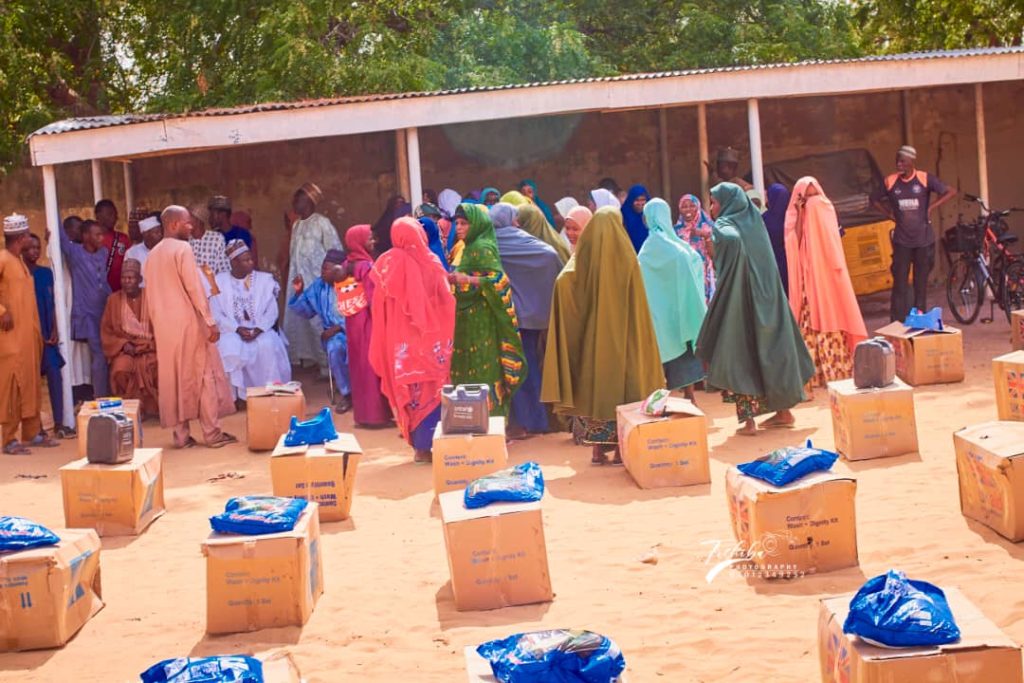
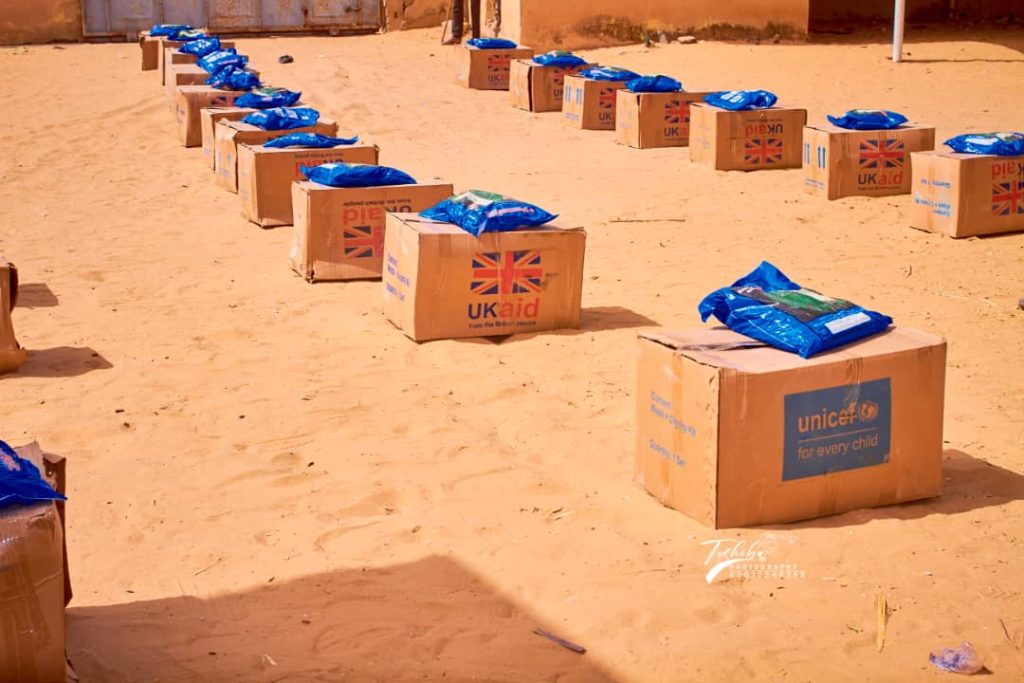
Yobe State Emergency Management Agency (SEMA), through the Rural Water Supply and Sanitation Agency (RUWASA) and Partners (UNICEF and AHI), supports 415 Displaced Households from Ngamma Community of Mairari Ward in Yunusari LGA held in Geidam.
On 15 February 2026, 415 households comprising 2,634 individuals from Gamma Community, Mairari Ward, Yunusari LGA, were forced to flee their homes following a direct threat notice issued by a Non-State Armed Group (NSAG) announcing an imminent attack.
The displaced population relocated to host communities across Bade, Geidam, Bursari, Tarmuwa, and parts of Yunusari Local Government Areas. Detailed household interviews and verification exercises were conducted in Ashekiri and Hausari Wards of Geidam LGA, where the majority of the new arrivals are currently hosted.
A Rapid Needs Assessment (RNA) identified critical gaps in Water, Sanitation, and Hygiene (WASH) and Non-Food Items (NFIs). The assessment highlighted high risks of water-borne diseases, poor hygiene practices, and protection concerns, particularly for women, girls, children, and persons with disabilities (PWDs). The RNA recommended an immediate humanitarian response, especially in the WASH and NFI sectors.
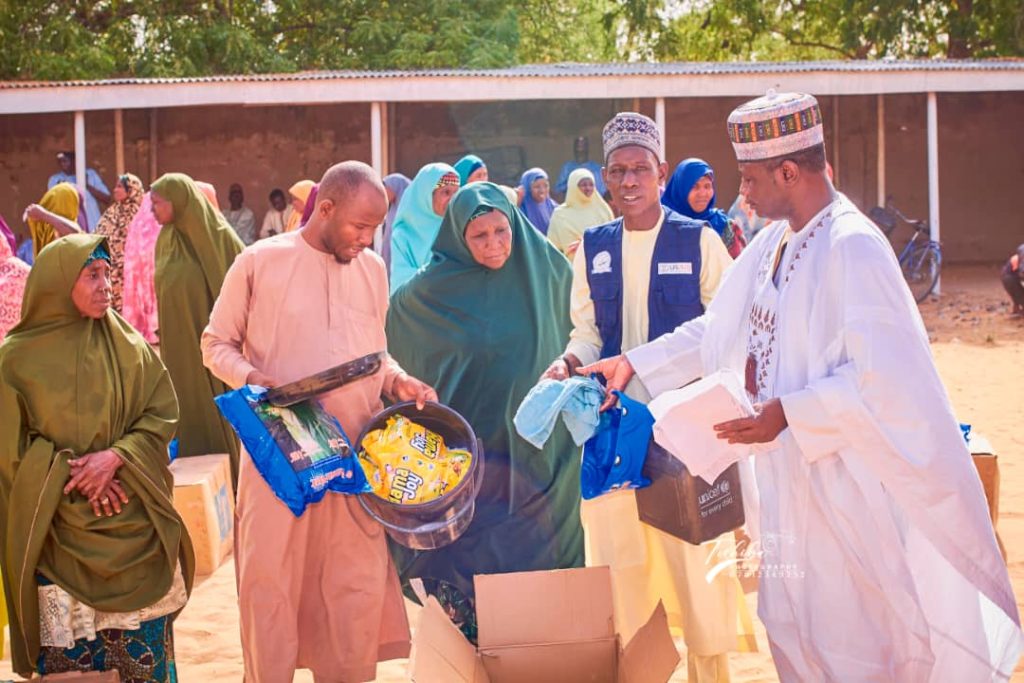
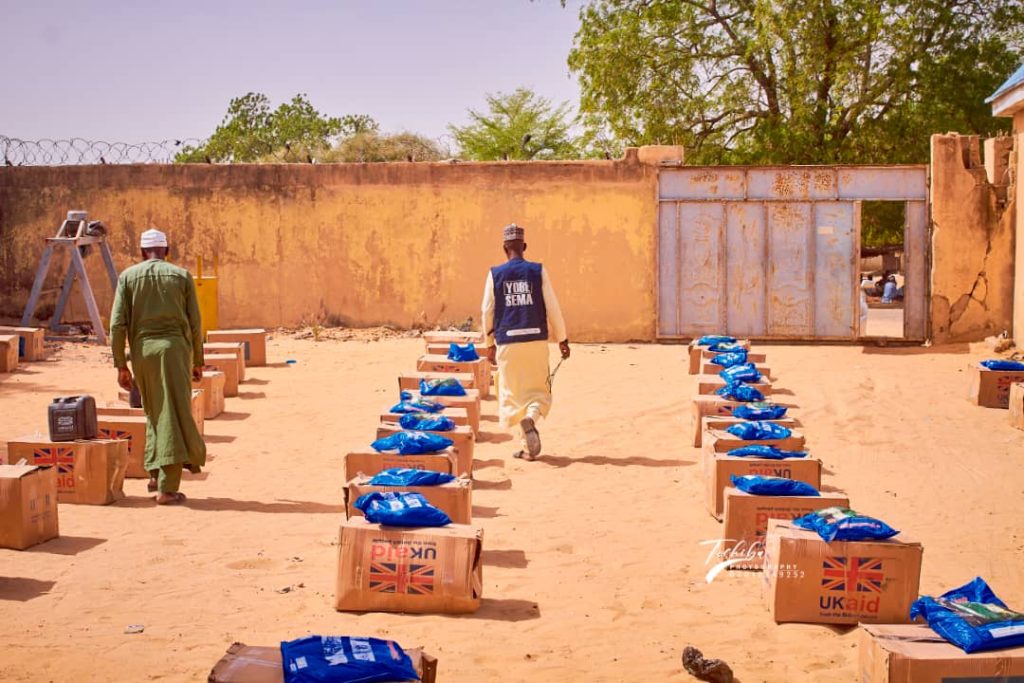
In line with these recommendations, Yobe SEMA issued an urgent official request for the provision of WASH Hygiene Kits and essential household NFIs for the 415 affected households. Within three days, a joint team comprising SEMA, Yobe RUWASA, UNICEF, and Yunusari LGA successfully carried out the distribution in Geidam.
Yobe RUWASA and UNICEF provided targeted WASH and NFI support to all 415 households. This timely intervention addressed the critical gaps identified in the RNA, complemented ongoing shelter, food, and cash assistance, strengthened host-community relations, and reduced the risk of secondary displacement.
In a show of solidarity, Action Health Incorporated (AHI) supported lactating mothers among the IDPs with 34 Mosquito Nets and 4 Hygiene Kits. These items were distributed alongside the main intervention to protect vulnerable mothers and newborns from malaria and hygiene-related risks during the onset of the hot-dry season on March 27.
The swift and coordinated response by Yobe SEMA, Yobe RUWASA, UNICEF, and AHI has provided much-needed relief to the displaced households and demonstrated strong inter-agency collaboration. However, support is still required for the remaining 299 households (approximately 1,980 individuals).
The Executive Secretary of Yobe SEMA, Dr. Goje Mohammed FRSPH (UK), expressed profound gratitude to Yobe RUWASA, UNICEF, AHI, the Ngazargamu Emirate Council, Yunusari LGA authorities, Key LGA Stakeholders, and security agencies for their prompt intervention.
Leave a Reply
You must be logged in to post a comment.