
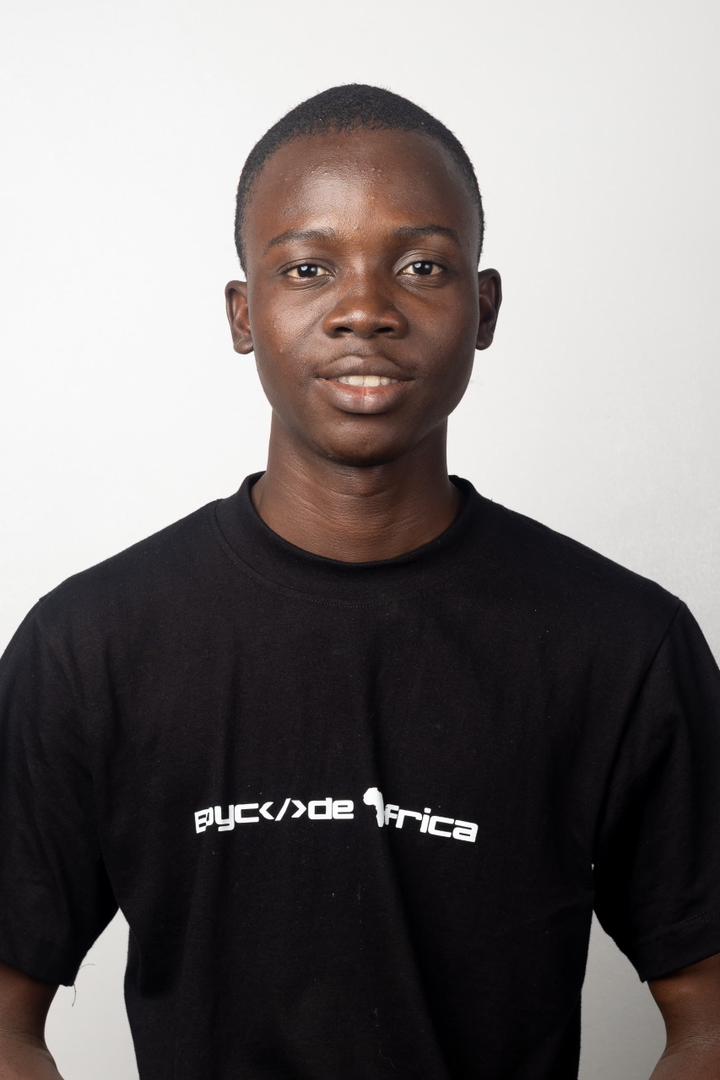
Before I understood what a grant was, I was already sitting in rooms where one needed to be written.
I did not know the full language of development work yet. I did not fully understand how nongovernmental organizations survived, how impact was funded, or how ideas became structured programs that could move communities forward. But I understood the weight in those conversations. I understood that something important was happening.
And somehow, even before I could name it, I knew I was learning something that would stay with me.
That year became a pivotal year for me.
I joined Action Health Incorporated as a fresh high school leaver through their Youth Skill Development Program, a paid one-year internship that would later become one of the most defining chapters of my young life. I had just finished secondary school, where I served as head boy, and AHI gave me a space to use that experience in real situations.
It was not just a place I went to work.
It became a place where I was stretched, guided, trusted, and introduced to a wider picture of what purposeful work could look like.
Walking Into AHI
My first week at AHI was facilitated by Mr. Ukemeabasi Esiet, one of the program officers. Honestly, he is a very chill guy.
The orientation week was one I genuinely enjoyed. It was relaxed, easy to sit through, and the kind of experience that made you want to keep showing up. But beyond how comfortable the sessions felt, they were deeply important.
Mr. Ukeme trained us on why AHI exists, adolescent health, myths, misconceptions, and facts around sex education. He also introduced us to everything we needed to understand to do our work well in the SBCC department.
Those sessions shaped everything I did afterwards at AHI.
They gave me context. They helped me understand the seriousness of the work. They showed me that adolescent health was not just a topic to be discussed in classrooms or written in pamphlets. It was real. It affected real young people, real families, real schools, and real communities.

Finding My Voice Through Teaching
Beyond the training, I was given the chance to do something I had loved long before I walked through those doors.
I got to teach.
I facilitated sessions on adolescent health, SBCC topics, and coding for the young people in the program. Teaching them gave me the chance to reinforce and test what I already knew. It made me return to the basics with fresh eyes, and each time I explained something, I understood my own knowledge better.
There is something powerful about teaching people who are close to your age.
You cannot hide behind big words. You cannot pretend. You have to make things clear. You have to connect. You have to speak in a way that makes them feel seen.
And AHI gave me that chance.
Alongside the teaching, I took part in assembly outreaches, standing in front of students across secondary schools and speaking in halls that reminded me of the ones I had just graduated from.
One of those outreaches stayed with me long after I left.
It happened at a school in Bariga.
I stood in front of a noisy group of SS3 students and told them I was just like them a year ago. I talked about setting a goal to graduate with all As, how I ended up with four, and how they could do the same.
At first, the hall was noisy.
Then the noise dropped.
The room went quiet.
Their faces changed as they listened.
At that moment, I realized something. Sometimes, young people do not need someone far ahead of them to inspire them. Sometimes they need someone close enough to their reality to make possibility feel believable.
That moment stayed with me.
The Rooms That Taught Me Quietly
The exposure that stayed with me the most did not always happen when I was speaking, teaching, or standing in front of people.
Sometimes, it happened in quieter moments.
Sometimes, it happened in conversations where I was not the center.
At some point during my time at AHI, the team began talking about writing a grant for the work being done. I was not the one writing it, but I was in the room enough to understand what was at stake.
Before AHI, I had always wondered what nongovernmental organizations actually did, why they existed, and how they sustained themselves. After AHI, I saw things differently.
I saw that NGOs do not just do good work quietly.
They work for the resources that keep that work going.
They plan. They write. They report. They partner. They build systems. They fight for funding, not for themselves, but so that the work can continue.
Grants sat at the center of that.
Through those conversations, I began to understand how organizations support each other to carry out projects that move communities forward. I began to see that impact is not accidental. It is built. It is structured. It is sustained.
And looking back now, I realize that those quiet moments shaped me in ways I could not fully explain at the time.
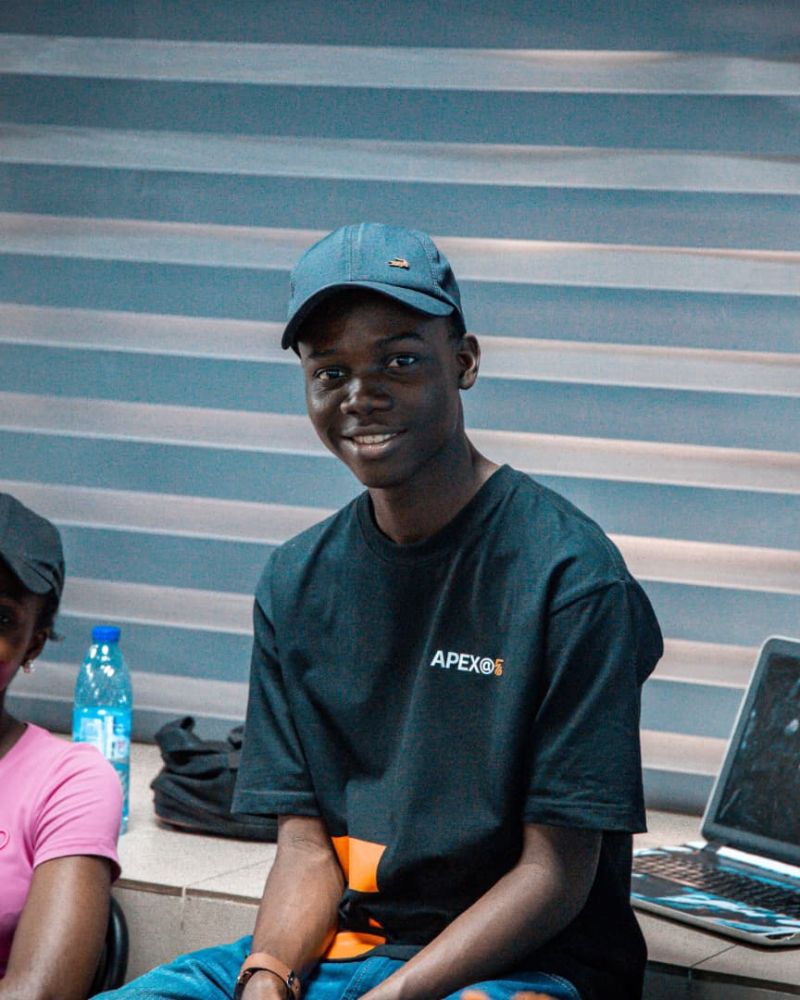
Leadership That Made Room for Young People
None of that would have been possible without the people who led the organization.
Mrs. Adenike Esiet, the Executive Director and co-founder of AHI, and her husband, Dr. Uwemedimo Esiet, the Director and co-founder, lead the organization together.
Watching them run AHI showed me what meaningful leadership looks like in practice.
They created an environment where young ambassadors like myself were included and taken seriously. That mattered to me more than I probably knew at the time.
I was transitioning from secondary school into the University of Lagos, and that period could have felt uncertain. But because of the structure, trust, and exposure I received at AHI, that transition felt steadier.
I was not just waiting for the next phase of my life to begin.
I was already growing into it.
The People Who Became Part of the Story
And then there were my fellow youth ambassadors.
The people who walked through that year with me.
Haliyat Adeniyi, Okwonko Esther, Adekurun Janet, the two Praises, and others I still keep in touch with.
We came into AHI as strangers and left as real friends who now inspire each other across different paths. Some of them are now at Unilag with me, and I am still in contact with all of them.
Those friendships were not separate from the experience.
They were part of it.
They made the year warmer, more meaningful, and more memorable. We were all young, learning, growing, and trying to figure out what came next. And somehow, in that shared season, we found people who would continue to matter beyond the program.
By the time my time at AHI ended, I was not the same person who had just left secondary school wondering what came next.
I had been around people who invested in me early.
And I carried that with me into the University of Lagos.
What Happened Next
What happened next built on everything AHI had started in me.
I began finding my footing in tech. I entered hackathons, won innovation pitches, and started showing up in rooms I had no real business being in as a first-year student.
Since 2023, I have won over ten innovation competitions, including the Harvard Health Systems Innovation Lab Hackathon at the Lagos Hub, where my team built PharmChain, a blockchain-powered system designed to address counterfeit drugs in Nigeria’s supply chain.
Now, we are advancing to the global stage against teams from different countries.
The more I won, the more I noticed something that did not sit right with me.
I was a teenager doing well in tech.
But most teenagers around me were not getting access to the kind of exposure that made that possible in the first place.
And that realization pushed me to build something.
Building TeenovateX Labs
So I built TeenovateX Labs.
TeenovateX Labs is a teenager-led organization focused on giving other teenagers access to exposure, mentorship, and opportunities to build.
We are fiscally sponsored by Hack Club, a California-based organization that supports youth-led tech communities. That support allows us to run programs, bring in mentors, and help young people learn how to build real things in tech.
But every time I think about where all of this started, my mind goes back to AHI.
Because Action Health Incorporated did not just give me a paid internship.
It gave me a view into how meaningful work is actually structured and sustained.
It showed me that young people can be trusted with responsibility. It showed me that exposure can change the direction of a person’s life. It showed me that if you give teenagers the right rooms, the right guidance, and the right opportunities, they can become builders earlier than the world expects.
Without Mr. Ukeme’s guidance, without the leadership of Mrs. Adenike Esiet and Dr. Uwemedimo Esiet, and without the people I worked with during that period, a lot of what I have built afterwards would not have happened the same way.
In many ways, the teenagers we now reach through TeenovateX Labs are walking a path that AHI first opened up for me.
That Is What Exposure Does
That is what exposure does.
Sometimes, it looks like sitting in a training room and learning about adolescent health.
Sometimes, it looks like teaching what you know and realizing you understand it better because you shared it.
Sometimes, it looks like standing in a school hall until the noise drops and students begin to listen.
Sometimes, it looks like sitting quietly in conversations about grants you do not fully understand yet, only to realize later that those conversations planted something in you.
Sometimes, exposure does not announce itself as transformation.
It just stays with you.
It follows you into the next room.
It shapes the way you think, the kind of work you build, and the kind of opportunities you want to create for others.
That is the impact Action Health Incorporated had on me.
And I will carry it, and the people I met through it, for a long time

Sanni Shazily
Software Developer
Founder, TeenovateX Labs
Former Youth Ambassador, Action Health Incorporated
Student, University of Lagos
Leave a Reply
You must be logged in to post a comment.